Wild Ass Safari Booking Online
The last refuge on Earth for the endangered Indian Wild Ass (Khur), located in the stark, saline desert of the Little Rann.
The Indian Wild Ass Sanctuary is unlike any other wildlife reserve in India. Spanning over 4,954 square kilometers, it is the largest wildlife sanctuary in the country. The landscape is a vast, sun-baked saline mudflat known as the Little Rann of Kutch (LRK), which transforms into a coastal wetland during the monsoon.
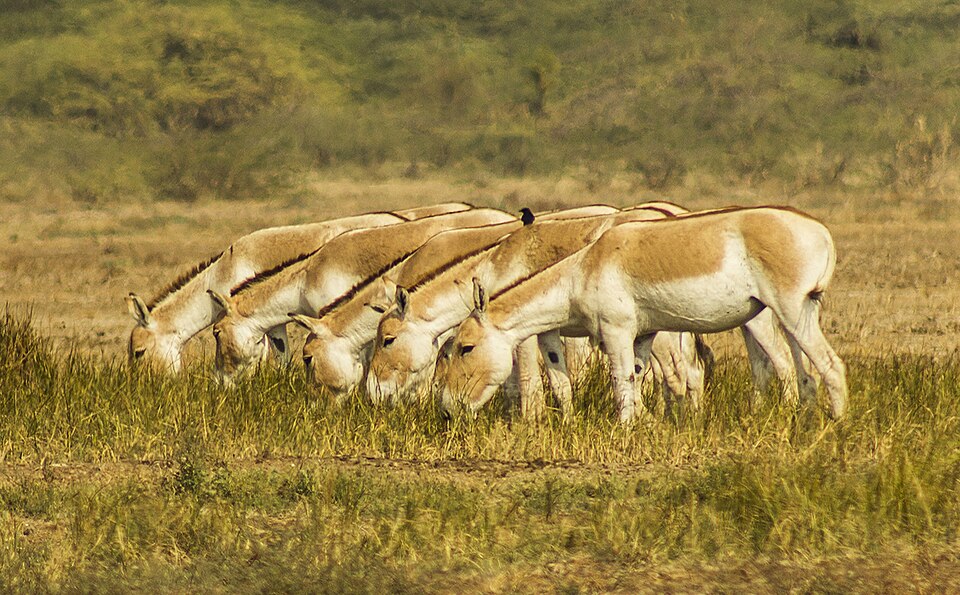
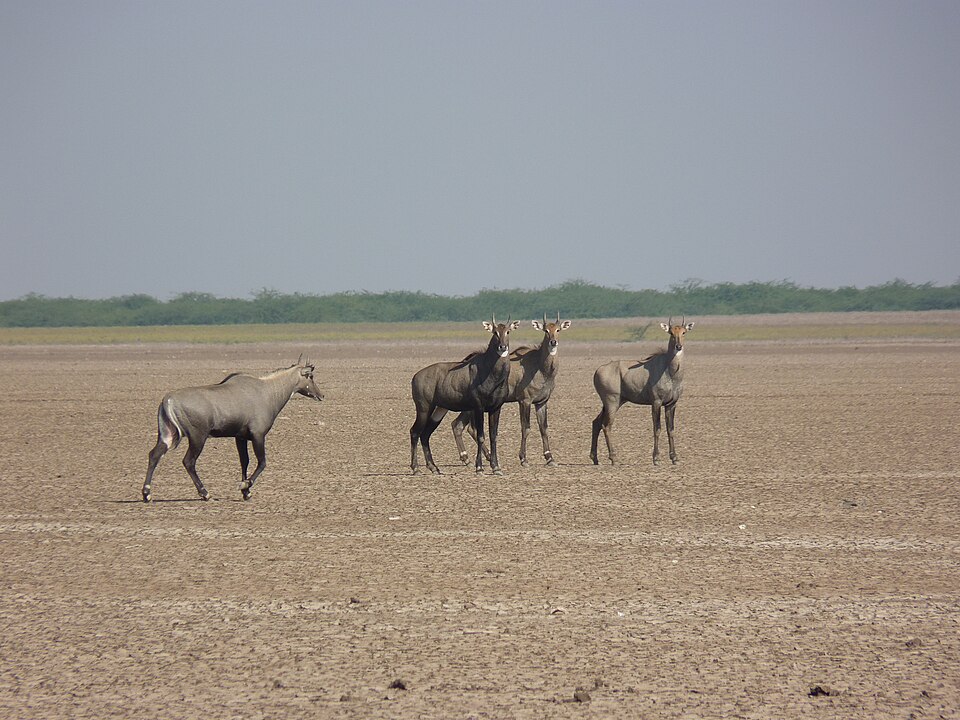
The sanctuary was created to protect the Indian Wild Ass (Equus hemionus khur), a sturdy and agile creature capable of running at speeds of up to 70 km/h. They are often seen galloping across the cracked white earth in herds. This is the only place in the world where they exist in the wild.
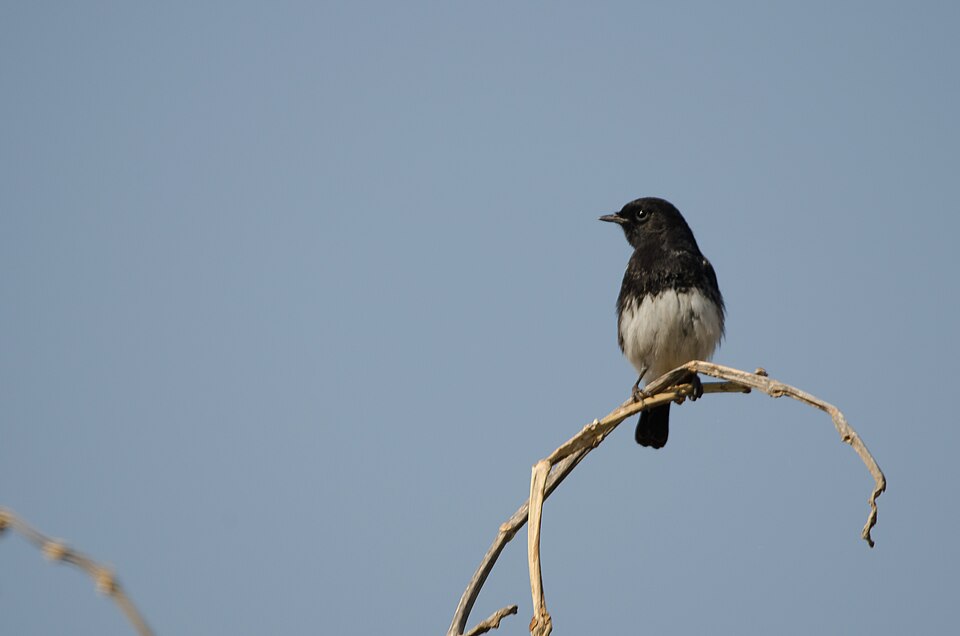
Beyond the Wild Ass, the Rann is a birdwatcher's dream. In winter, the wetlands attract tens of thousands of migratory birds. The most spectacular sight is the congregation of Lesser Flamingos, which turn the landscape pink. Other notable species include the MacQueen’s Bustard, Demoiselle Cranes, Pelicans, and various raptors.
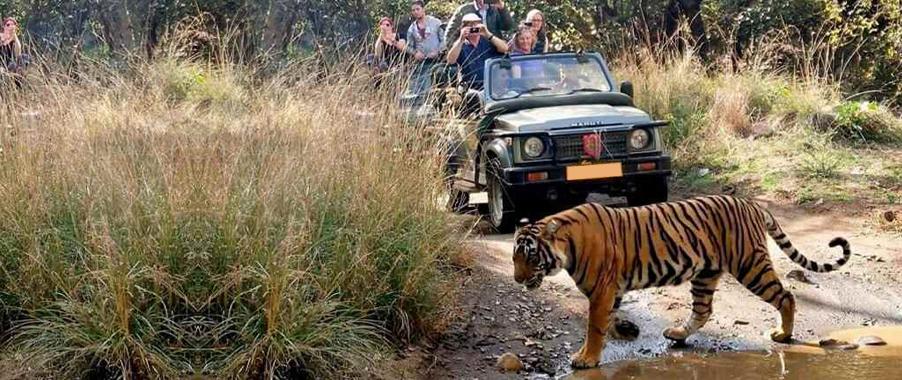
Predators such as the Desert Fox, Indian Wolf, and Jungle Cat also inhabit the 'Bets' (islands of vegetation) within the Rann. A safari here is an open-top jeep drive across the limitless horizon, offering spectacular sunsets and a unique sense of nothingness.
The best time to visit is from October to March. Visitors usually stay in eco-resorts near Dasada or Bajana and take morning and evening safaris into the Rann to witness this unique desert ecosystem.
Book Safari
Gujarat TourismOfficial booking inquiry for Little Rann of Kutch.
Booking Assistance
- +91-9151815121, +91-9151815191
- junglesafaribharat@gmail.com
Safari Rules
- Vehicle: Only authorized open jeeps are allowed deep into the Rann.
- Landscape: The mudflats can be treacherous. Do not drive private vehicles off the track.
- Litter: The white desert is pristine; littering is strictly penalized.
- Photography: Do not chase the Wild Ass herds for photos; it causes them stress.