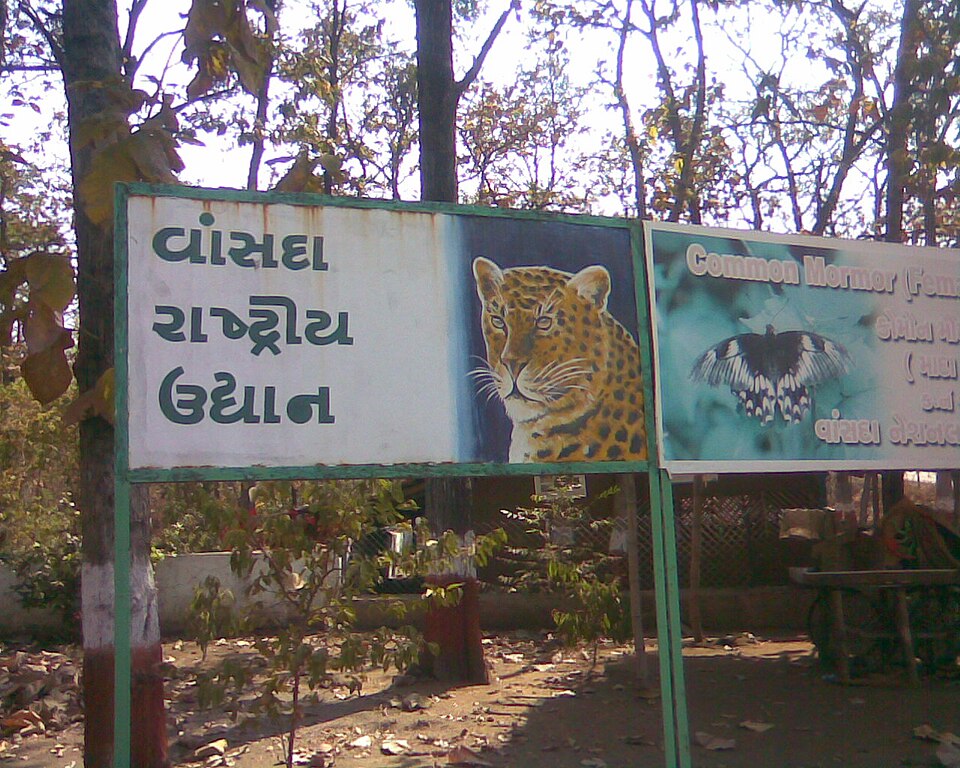
Vansda Safari Booking Online
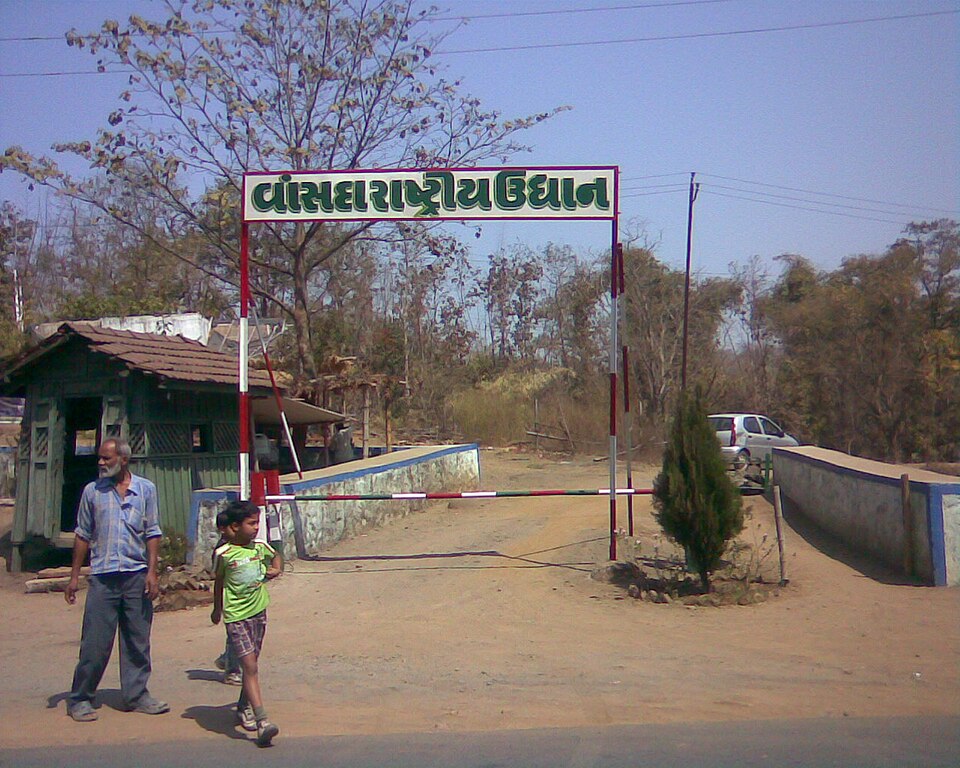
A dense, deciduous forest nestled in the Sahyadri ranges of South Gujarat, just a short drive from Saputara.
Once the private hunting grounds of the Maharaja of Vansda, this national park is a stark contrast to the dry grasslands of Kutch or the scrub forests of Gir. Vansda is known for its towering teak trees, bamboo groves, and lush canopy that is so dense in some areas that sunlight barely touches the ground. The scenic Ambika River flows through the park, adding to its botanical beauty.
Despite its relatively small size (approx 24 sq km), Vansda is rich in biodiversity. It is home to leopards, hyenas, jungle cats, and civets. The park is also one of the few places in Gujarat where you can spot the Indian Giant Squirrel. Herbivores like the barking deer, four-horned antelope, and spotted deer are frequently sighted.
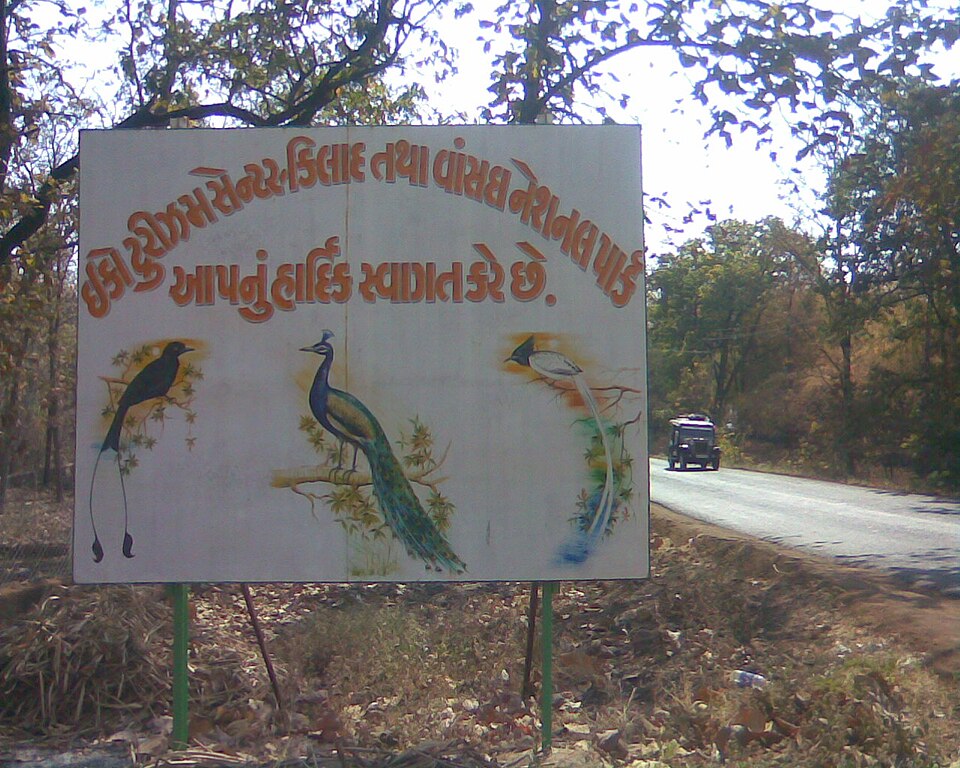
For birdwatchers, Vansda is a paradise. It harbors rare species typical of the Western Ghats, such as the Malabar Trogon, Great Black Woodpecker, and the Shama. The forest comes alive with bird calls, especially in the early mornings.
The park is located very close to Waghai and the popular hill station of Saputara, making it an excellent addition to a South Gujarat itinerary. The nearby Kilad Eco Campsite and Gira Waterfalls are popular stops for nature lovers.
The best time to visit is from October to March. Unlike many other parks, Vansda remains beautiful even immediately after the monsoon (September-October), when the forest is at its greenest and the waterfalls are in full flow.
Book Safari
Gujarat TourismOfficial booking inquiry for Vansda National Park.
Booking Assistance
- +91-9151815121, +91-9151815191
- junglesafaribharat@gmail.com
Visitor Guidelines
- Vehicle: Private SUVs are often permitted with a forest guide, or local jeeps can be hired.
- Walking: Unlike Gir, limited trekking is allowed in specific zones with a guide.
- Silence: The forest is dense; silence increases your chances of spotting shy wildlife.
- Plastic: Strictly a plastic-free zone. Please bring back all your trash.