Table of Contents
- Understanding Wildlife Photography
- Choosing the Right Camera Equipment
- Camera Settings for Safari Photography
- Use Fast Shutter Speed
- Choose Continuous Shooting Mode
- Adjust ISO Carefully
- Use Auto Focus
- Best Time for Wildlife Photography
- Early Morning
- Late Afternoon
- Avoid Harsh Midday Light
- How to Photograph Tigers Safely
- Stay Inside the Vehicle
- Listen to Your Guide
- Avoid Sudden Movements
- Stay Patient
- Capturing Birds and Small Animals
- Focus on Details
- Watch Animal Movements
- Use Zoom Carefully
- Photography Ethics in National Parks
- Respect Wildlife
- Avoid Flash Photography
- Follow Park Rules
- Do Not Feed Animals
- Common Wildlife Photography Mistakes
- Focusing Only on Tigers
- Taking Too Many Photos
- Ignoring Backgrounds
- Not Checking Camera Settings
- Lack of Patience
- Tips for Mobile Photography on Safari
- Clean the Camera Lens
- Use Zoom Sparingly
- Keep the Phone Steady
- Focus Before Shooting
- Capture Videos Too
- Protecting Camera Equipment During Travel
- Use a Protective Camera Bag
- Carry Extra Batteries
- Protect Against Dust
- Store Memory Cards Safely
- Avoid Direct Sunlight
- Conclusion
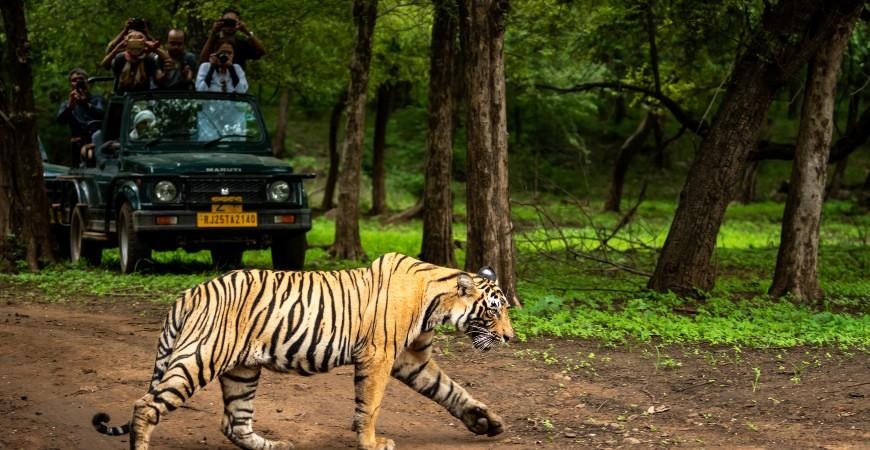
Wildlife photography is one of the most exciting parts of a tiger safari. Capturing a tiger walking through the forest, a bird sitting on a tree branch, or a herd of deer grazing in the wild can create memories that last forever. However, wildlife photography requires patience, preparation, and basic knowledge of camera settings.
Whether you are using a professional camera or a smartphone, understanding a few simple photography techniques can help you take better pictures during your safari. This guide covers essential wildlife photography tips for beginners and experienced travelers alike. If you are planning a safari adventure, Jungle Safari Bharat can help you explore some of India's best wildlife destinations.
Understanding Wildlife Photography
Wildlife photography is the art of capturing animals in their natural environment. Unlike studio photography, wildlife photographers cannot control the subject, lighting, or surroundings.
Animals move quickly and often appear unexpectedly. Therefore, patience and observation are very important. The goal is not only to photograph wildlife but also to tell a story about nature and animal behavior.
A successful wildlife photograph often captures emotion, movement, and the beauty of the natural world.
Choosing the Right Camera Equipment
You do not always need expensive equipment to take good wildlife photographs, but having the right gear can improve your results.
Useful equipment includes:
- DSLR Camera
- Mirrorless Camera
- Telephoto Lens
- Extra Memory Cards
- Spare Batteries
- Lens Cleaning Cloth
- Camera Bag
A zoom lens is especially useful during tiger safaris because animals may be far from the vehicle.
Beginners can start with entry-level cameras and gradually upgrade their equipment as their skills improve.
Camera Settings for Safari Photography
Understanding basic camera settings can help you capture sharper wildlife images.
Use Fast Shutter Speed
Animals often move quickly. A fast shutter speed helps freeze motion and reduce blur.
Choose Continuous Shooting Mode
Burst mode allows you to capture multiple photos in seconds, increasing your chances of getting the perfect shot.
Adjust ISO Carefully
A higher ISO can help in low-light situations, especially during early morning safaris.
Use Auto Focus
Continuous autofocus helps keep moving animals in focus.
Practice these settings before your safari to become comfortable using them.
Best Time for Wildlife Photography
Lighting plays a major role in photography quality.
Early Morning
Morning safaris often provide soft natural light and active wildlife.
Late Afternoon
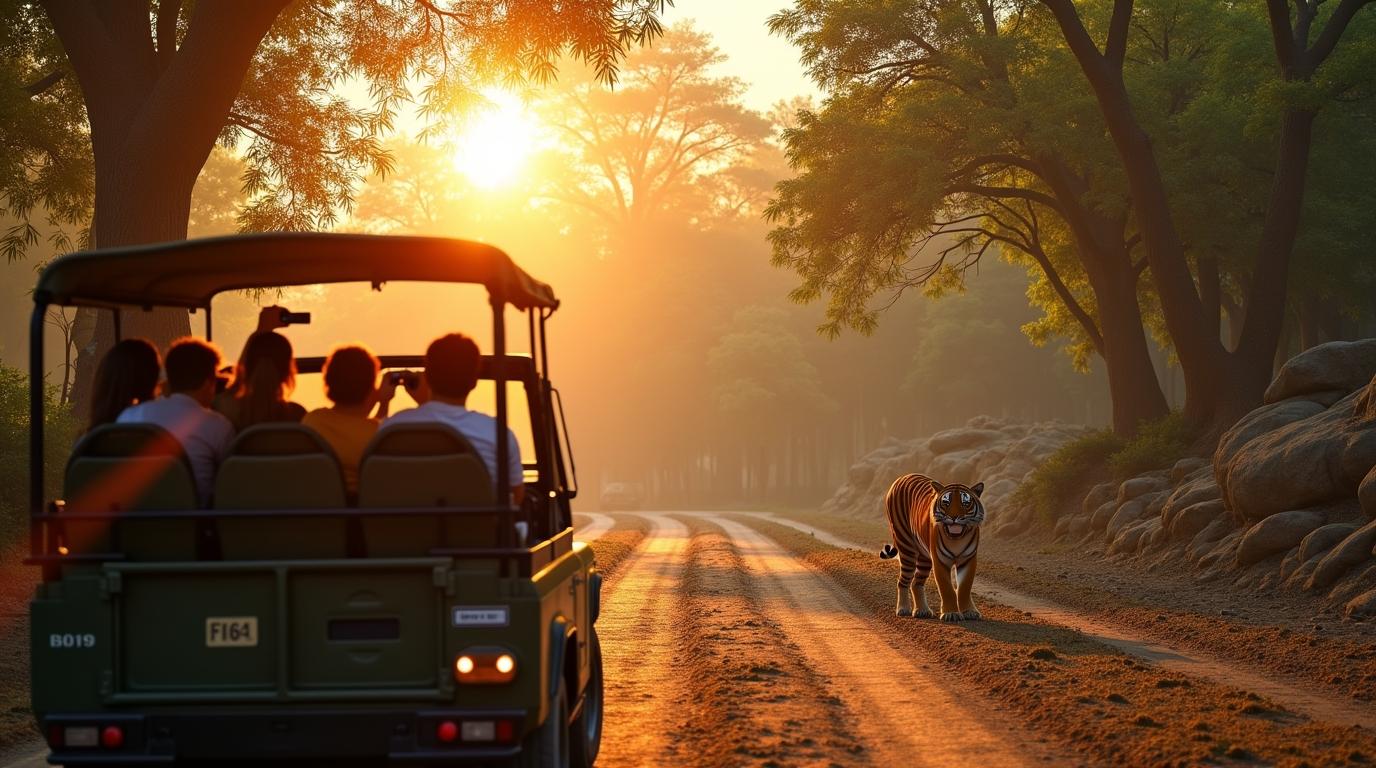
The golden light before sunset creates beautiful colors and shadows.
Avoid Harsh Midday Light
Bright sunlight can create strong shadows and reduce image quality.
Most national parks schedule safaris during morning and evening hours, which are ideal for photography.
How to Photograph Tigers Safely
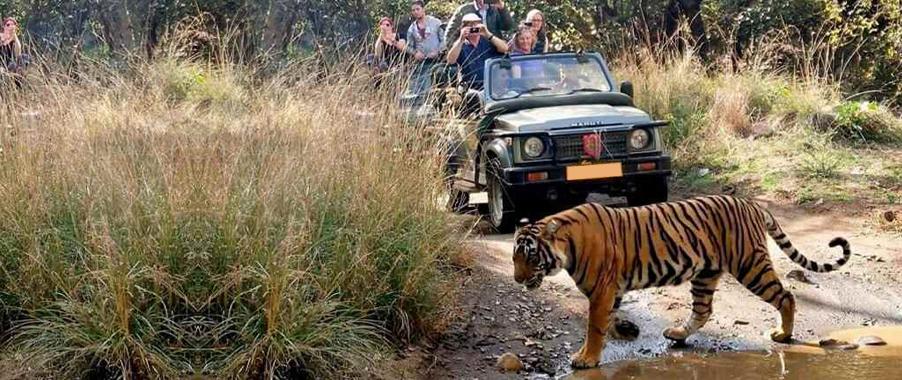
Tigers are among the most sought-after subjects during Indian safaris. However, safety should always come first.
Stay Inside the Vehicle
Never attempt to get closer to a tiger for a better photograph.
Listen to Your Guide
Safari guides understand animal behavior and know safe viewing distances.
Avoid Sudden Movements
Quick movements can disturb wildlife and affect the experience for other visitors.
Stay Patient
Tigers may appear unexpectedly. Keep your camera ready but remain calm.
Respecting wildlife helps ensure both safety and ethical photography.
Capturing Birds and Small Animals
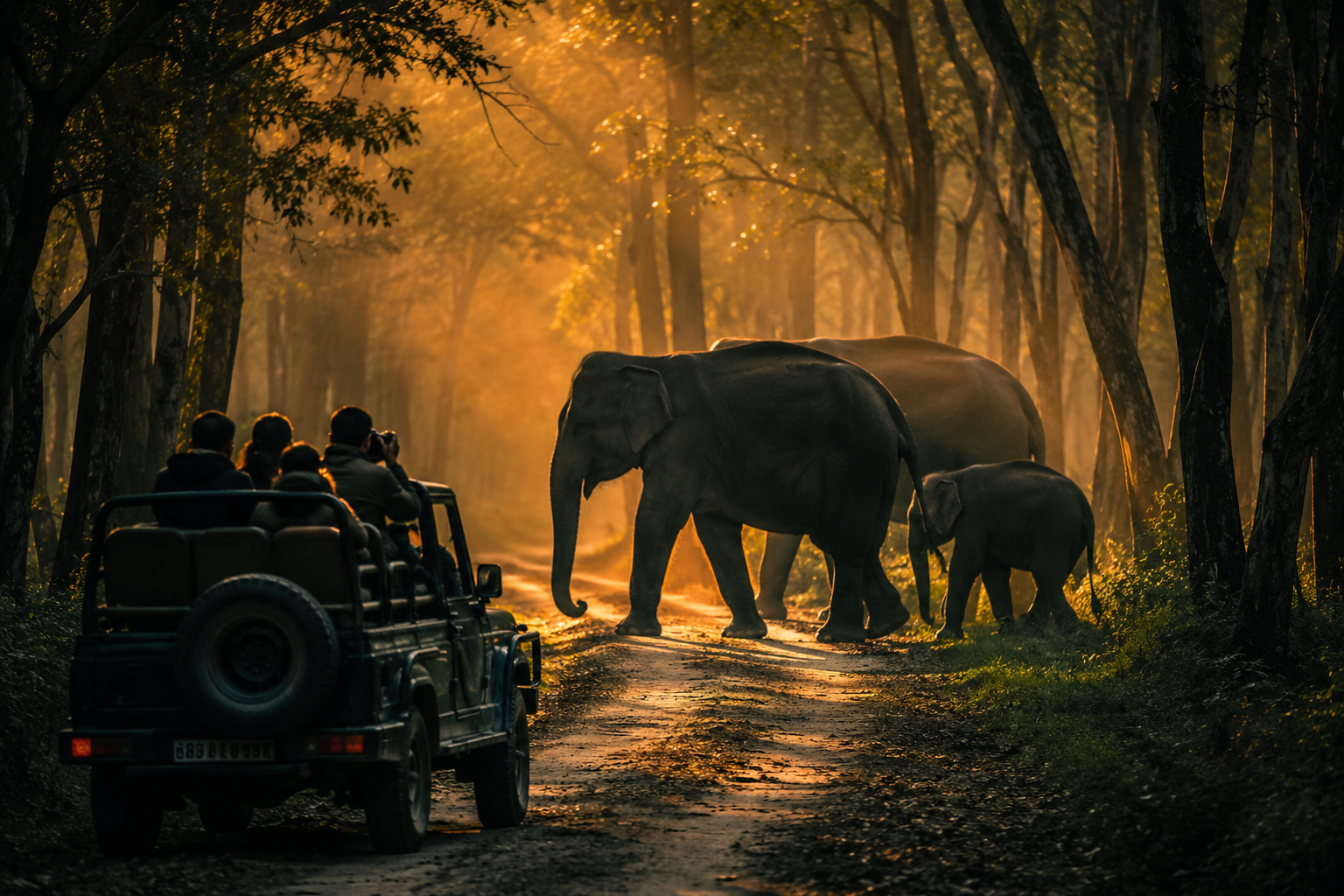
Many safari visitors focus only on tigers, but smaller wildlife can provide amazing photography opportunities.
Birds, butterflies, monkeys, deer, and reptiles often create beautiful images.
Focus on Details
Capture feathers, eyes, textures, and natural behavior.
Watch Animal Movements
Understanding movement patterns helps you prepare for the perfect shot.
Use Zoom Carefully
A longer lens helps capture detailed images without disturbing animals.
Some of the best safari photographs come from unexpected wildlife encounters.
Photography Ethics in National Parks
Ethical photography is an important part of wildlife tourism.
Respect Wildlife
Never disturb animals to get a better photograph.
Avoid Flash Photography
Flash can stress wildlife and disrupt natural behavior.
Follow Park Rules
Every national park has photography guidelines that visitors should follow.
Do Not Feed Animals
Feeding wildlife can change natural habits and create safety risks.
Responsible photography helps protect animals and preserves natural ecosystems.
Common Wildlife Photography Mistakes
Many beginners make similar mistakes during their first safari.
Focusing Only on Tigers
The forest offers many other interesting subjects besides tigers.
Taking Too Many Photos
Instead of constantly clicking, observe the scene and choose your moments carefully.
Ignoring Backgrounds
A cluttered background can distract attention from the animal.
Not Checking Camera Settings
Incorrect settings can result in blurry or poorly exposed photos.
Lack of Patience
Wildlife photography often requires waiting quietly for the right opportunity.
Learning from these mistakes can improve your photography skills quickly.
Tips for Mobile Photography on Safari
Not everyone carries a professional camera. Fortunately, modern smartphones can also capture impressive wildlife photos.
Clean the Camera Lens
A clean lens improves image clarity.
Use Zoom Sparingly
Digital zoom can reduce image quality.
Keep the Phone Steady
Use both hands or support the phone against the safari vehicle.
Focus Before Shooting
Tap the screen to focus on the animal before taking the picture.
Capture Videos Too
Short wildlife videos can be just as memorable as photographs.
Many safari visitors successfully document their entire trip using only smartphones.
Protecting Camera Equipment During Travel
Wildlife safaris often involve dust, heat, and rough roads.
Use a Protective Camera Bag
A padded bag protects equipment from bumps and vibrations.
Carry Extra Batteries
Long safari drives can drain battery life quickly.
Protect Against Dust
Keep lenses covered when not in use.
Store Memory Cards Safely
Always carry spare memory cards in a secure case.
Avoid Direct Sunlight
Excessive heat can affect camera performance.
Taking care of your equipment ensures better photography results throughout your journey.
Conclusion
Wildlife photography is one of the most rewarding parts of a tiger safari. With the right preparation, camera settings, and ethical practices, even beginners can capture beautiful images of wildlife. Remember that patience is often more important than expensive equipment. Respect animals, follow park rules, and enjoy every moment in nature.
Whether you are photographing a tiger, a colorful bird, or a peaceful forest landscape, every safari offers unique opportunities. Jungle Safari Bharat helps wildlife enthusiasts discover India's top national parks and create unforgettable safari experiences filled with incredible photography moments.
Recent Posts
Book Your Wildlife Safari
Experience the thrill of the jungle. Book your customized Safari packages and hotels with us.
Enquire Now