India is home to some of the world's most famous national parks and wildlife reserves. From the tiger-filled forests of Central India to the wetlands of Assam and the elephant habitats of South India, every destination offers unique wildlife experiences. However, choosing the right season can make a huge difference in your safari success. Different animals behave differently throughout the year, and weather conditions can impact wildlife visibility.
Whether you are hoping to see a tiger, photograph wild elephants, or enjoy birdwatching, understanding safari seasons is essential. Jungle Safari Bharat helps travelers plan wildlife adventures by providing safari bookings, travel guidance, and information about the best times to visit India's national parks.
Understanding Safari Seasons in India
Most national parks in India operate between October and June. The wildlife experience changes with every season.
The three main safari seasons are:
Winter Season (October to February)
Summer Season (March to June)
Monsoon Season (July to September)
Each season offers unique opportunities for wildlife lovers. Some animals are easier to spot during summer, while winter is ideal for birdwatching and comfortable travel.
Understanding these seasonal differences helps visitors choose the best time based on their interests.
Summer Safari Experiences
Summer is often considered the best season for wildlife sightings in many Indian national parks.
As temperatures rise, water sources become limited. Animals frequently visit lakes, rivers, and waterholes to drink water. This increases the chances of spotting wildlife during safari drives.
Popular parks for summer safaris include:
Ranthambore National Park
Bandhavgarh National Park
Kanha National Park
Pench National Park
Tadoba National Park
During summer, visitors often see:
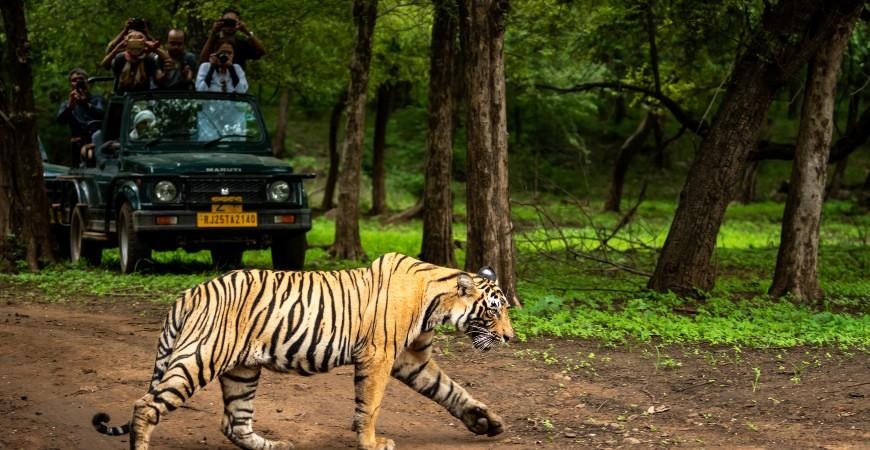
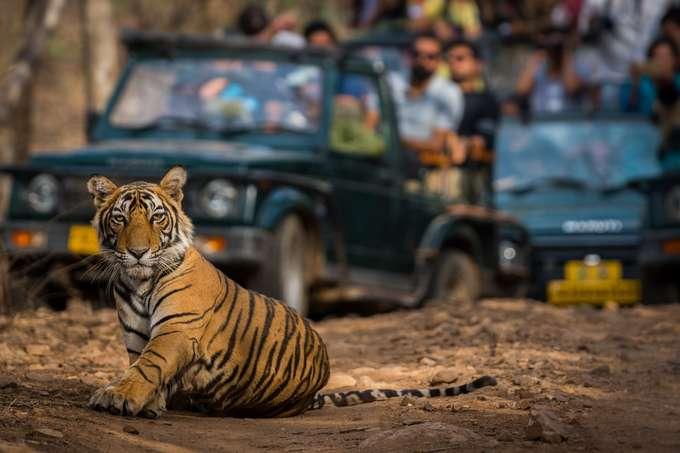
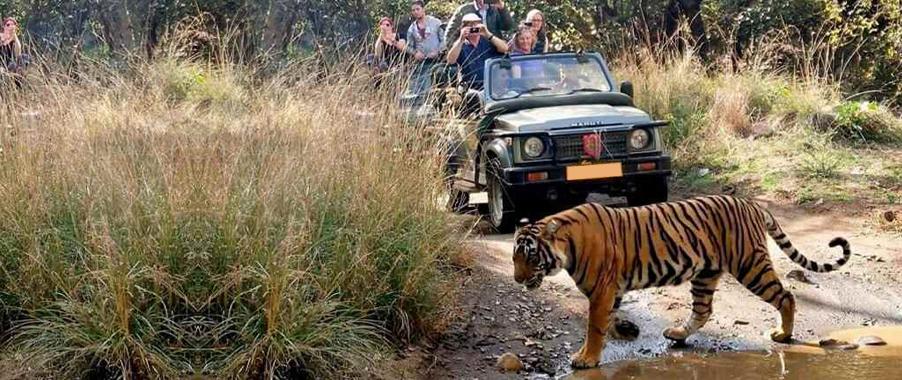
Tigers near water bodies
Leopards resting in shaded areas
Wild dogs and deer
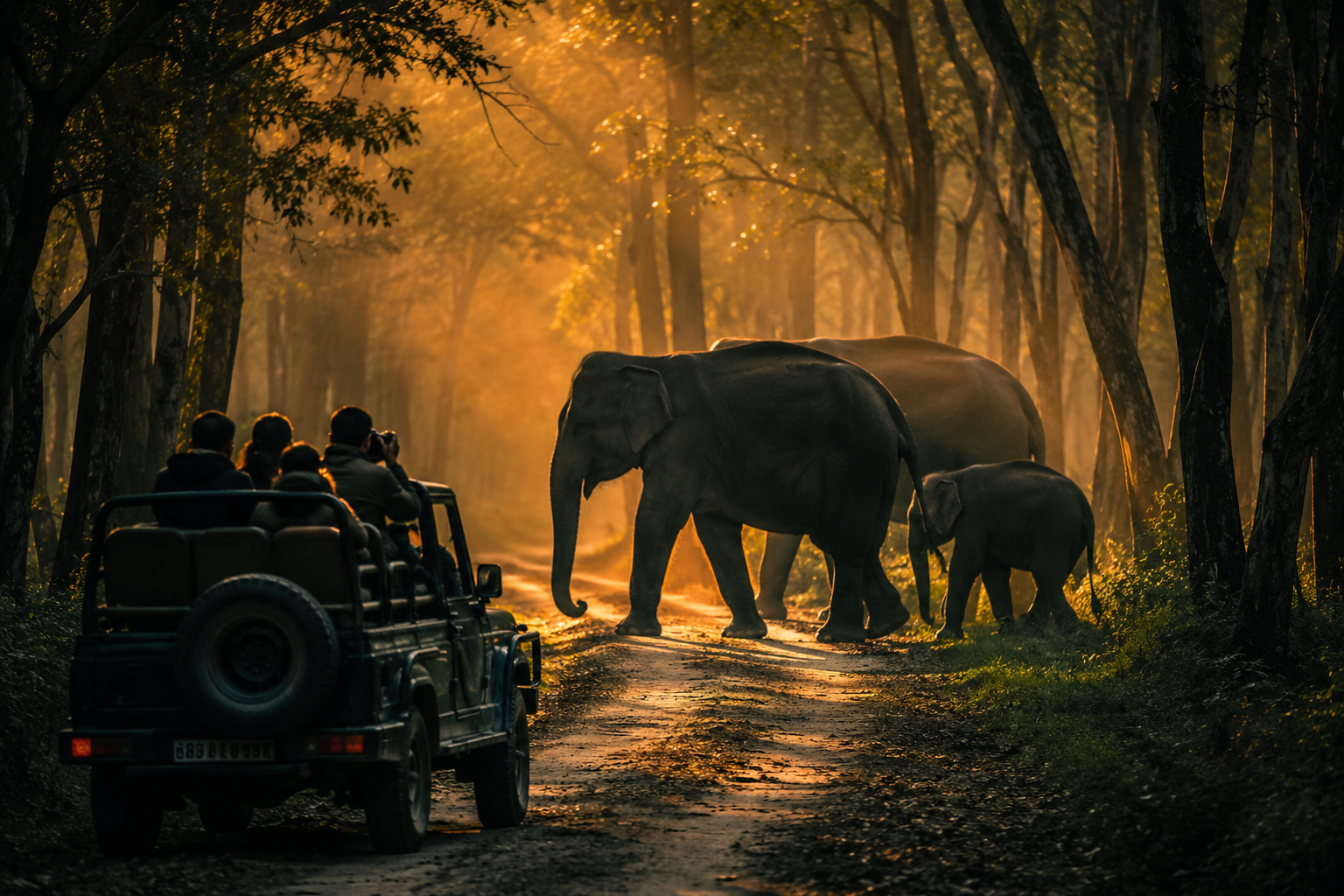
Elephants gathering near rivers
Although temperatures can be high, wildlife sightings are usually excellent.
Winter Wildlife Sightings
Winter is one of the most pleasant seasons for wildlife tourism in India.
The weather remains cool and comfortable, making long safari drives enjoyable. Animals stay active throughout the day, and visitors can explore parks without facing extreme heat.
Winter is especially popular among:
Families
International tourists
Wildlife photographers
Birdwatchers
National parks such as Jim Corbett, Kaziranga, and Nagarhole are particularly beautiful during winter.
The clear skies and soft sunlight also create excellent conditions for photography.
Monsoon and National Park Closures
Monsoon brings heavy rainfall to many parts of India. During this period, several national parks close partially or completely.
The monsoon season helps forests recover and become lush and green. Water sources fill up, vegetation grows rapidly, and many animals spread deeper into the forest.
While wildlife sightings may become more difficult, monsoon landscapes are stunning.
Some parks remain partially open during this season, while others close for visitor safety and habitat protection.
Before planning a trip, travelers should always check park opening schedules through reliable sources like Jungle Safari Bharat.
Best Season for Tiger Sightings
Tiger sightings are a major reason why many travelers visit Indian national parks.
The best season for tiger sightings is generally:
March to June
During summer:
Water becomes scarce.
Tigers frequently visit waterholes.
Vegetation becomes thinner.
Visibility improves.
Top parks for tiger sightings include:
Bandhavgarh National Park
Ranthambore National Park
Tadoba National Park
Kanha National Park
Pench National Park
Many wildlife photographers prefer summer because tiger encounters are more frequent.
Best Season for Birdwatching
India is a paradise for bird lovers, with thousands of resident and migratory bird species.
The best birdwatching season is:
November to February
During winter:
Migratory birds arrive from Europe, Central Asia, and Siberia.
Wetlands become rich with birdlife.
Weather remains comfortable.
Excellent birdwatching destinations include:
Bharatpur Bird Sanctuary
Kaziranga National Park
Jim Corbett National Park
Keoladeo National Park
Chilika Lake
Birdwatchers can observe:
Storks
Pelicans
Eagles
Owls
Ducks
Cranes
Winter offers the highest diversity of bird species across India.
Seasonal Travel Planning Tips
Good planning helps travelers enjoy a smooth safari experience.
Book Early
Popular safari zones often sell out months in advance, especially during winter and summer holidays.
Choose the Right Clothing
Winter: Warm jackets and layers.
Summer: Light cotton clothing and hats.
Monsoon: Waterproof jackets and footwear.
Carry Essential Items
Always bring:
Camera
Binoculars
Water bottle
Sunscreen
Power bank
Select Multiple Safari Drives
Booking more than one safari increases wildlife sighting opportunities.
Careful planning can significantly improve the overall safari experience.
Climate Differences Across National Parks
India's national parks are spread across different geographical regions, resulting in varying climates.
Central India
Parks like Kanha, Bandhavgarh, Pench, and Tadoba experience:
Hot summers
Pleasant winters
Moderate rainfall
Northern India
Jim Corbett experiences:
Cold winters
Warm summers
Heavy monsoon rains
Northeastern India
Kaziranga receives:
High rainfall
Humid weather
Lush green landscapes
Southern India
Bandipur, Nagarhole, and Periyar offer:
Moderate temperatures
Longer safari seasons
Consistent wildlife viewing opportunities
Understanding regional climate patterns helps visitors choose the right destination.
Safari Booking During Peak Seasons
Peak safari seasons often attract large numbers of visitors.
The busiest months include:
December
January
April
May
Safari permits can sell out quickly, particularly in popular tiger reserves.
To avoid disappointment:
Book safaris several weeks or months in advance.
Reserve accommodations early.
Choose weekdays when possible.
Jungle Safari Bharat helps travelers secure safari bookings and accommodations, making trip planning easier and more convenient.
Wildlife Behavior Throughout the Year
Wildlife behavior changes with the seasons.
Winter
Animals remain active for longer hours.
Bird activity increases.
Comfortable temperatures encourage movement.
Summer
Animals gather near water sources.
Tiger sightings improve.
Herbivores concentrate in open areas.
Monsoon
Breeding activity increases for many species.
Forests become dense and green.
Wildlife spreads across larger areas.
Understanding seasonal behavior helps visitors know what to expect during their safari.
Why Choose Jungle Safari Bharat?
Planning a wildlife tour involves choosing the right park, season, safari zone, and accommodation. Jungle Safari Bharat helps travelers simplify this process with expert guidance and reliable booking services.
Their services include:
National park safari bookings
Wildlife tour planning
Resort reservations
Travel assistance
Seasonal safari recommendations
Whether you want to see tigers in summer, migratory birds in winter, or elephants in lush forests, Jungle Safari Bharat helps create a memorable wildlife experience.
Conclusion
The best time to visit India's national parks depends on the wildlife experience you are looking for. Summer offers excellent tiger sightings, winter provides comfortable weather and outstanding birdwatching opportunities, while the monsoon season showcases beautiful green landscapes. Understanding safari seasons, climate differences, and animal behavior can help travelers plan a more rewarding trip.
With expert assistance from Jungle Safari Bharat, visitors can choose the ideal destination and season for their wildlife adventure. Proper planning, early bookings, and knowledge of seasonal wildlife patterns can turn an ordinary safari into an unforgettable journey through India's incredible natural heritage.
Jungle Safari Bharat Editorial Team
Jungle Safari Bharat Editorial Team is a group of wildlife travel researchers, safari planners, and content specialists dedicated to helping travelers explore India’s top national parks and tiger reserves. With practical knowledge of safari bookings, wildlife tourism, jungle stays, and destination planning, the team creates reliable guides, travel insights, and safari resources to help visitors plan memorable and responsible wildlife experiences across India.