Table of Contents
- What is a Jungle Safari?
- Things to Know Before Your First Safari
- Essential Items to Carry on Safari
- Safari Rules and Etiquette
- Choosing the Right National Park
- Ranthambore National Park
- Jim Corbett National Park
- Kanha National Park
- Bandhavgarh National Park
- Kaziranga National Park
- Understanding Safari Timings
- Morning Safari
- Evening Safari
- What Wildlife Can You Expect to See?
- Photography Tips for Beginners
- Keep Your Camera Ready
- Use Natural Light
- Avoid Flash
- Focus on the Eyes
- Be Patient
- Safety Tips During a Safari
- Common Mistakes First-Time Safari Visitors Make
- Expecting Guaranteed Tiger Sightings
- Wearing Bright Colors
- Talking Loudly
- Arriving Late
- Ignoring Guide Instructions
- Carrying Too Much Luggage
- Conclusion
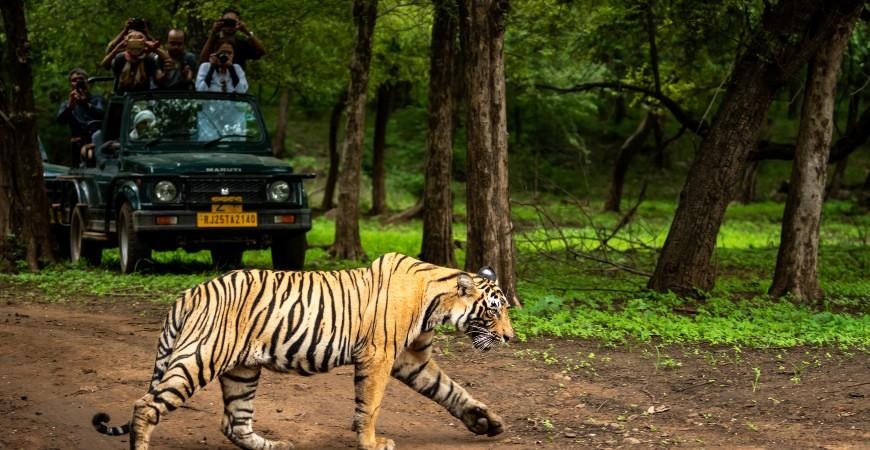
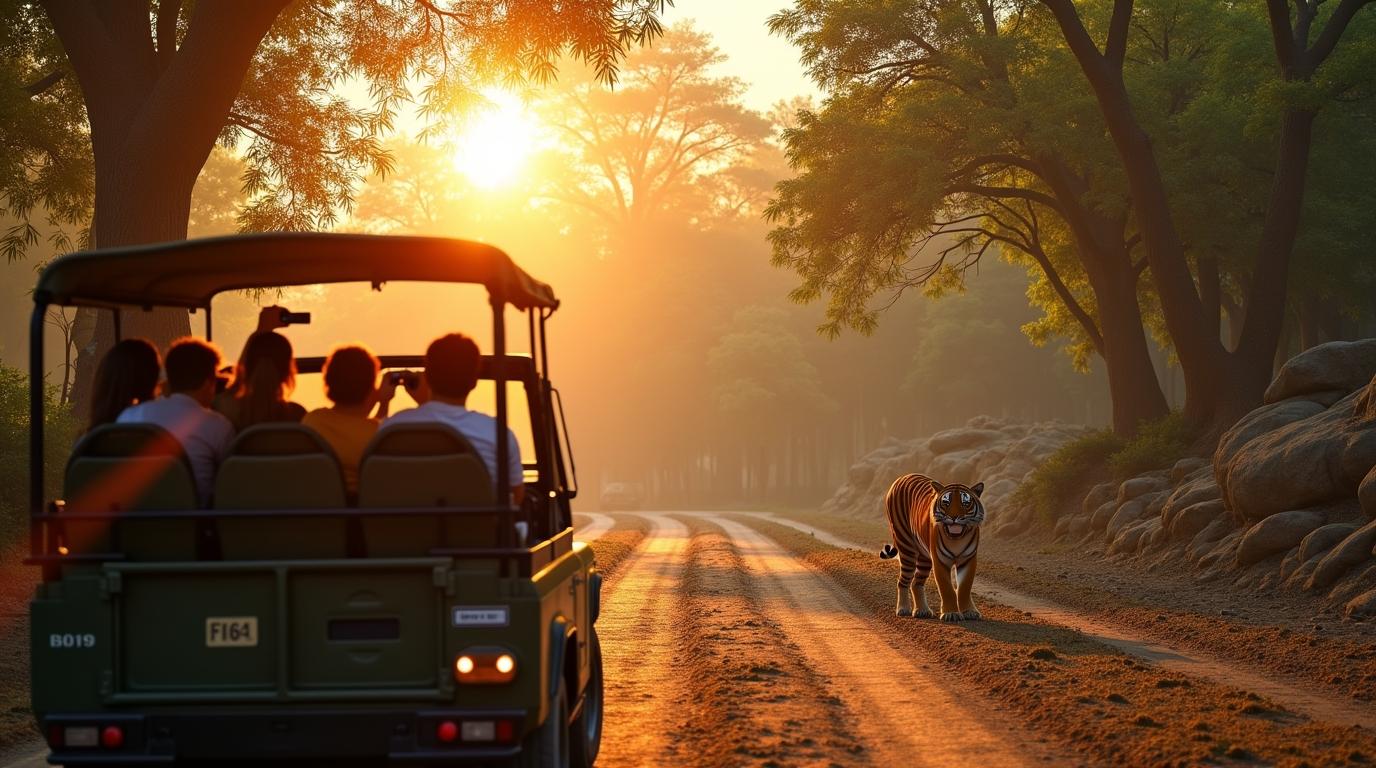
A jungle safari is one of the most exciting travel experiences in India. From spotting a majestic tiger in the wild to watching elephants, deer, and colorful birds in their natural habitat, a safari offers memories that last a lifetime. If you are planning your first wildlife adventure, proper preparation can make your trip more enjoyable and comfortable.
Many first-time visitors are unsure about what to carry, what to wear, and what to expect during a safari. This guide will help you understand everything you need to know before stepping into the wilderness. Whether you are visiting Ranthambore, Jim Corbett, Kanha, Bandhavgarh, or any other national park, these tips will help you have a great experience. For easy safari bookings and wildlife travel assistance, many travelers choose Jungle Safari Bharat.
What is a Jungle Safari?
A jungle safari is a guided tour through a national park or wildlife sanctuary where visitors can observe animals in their natural environment. Safaris are usually conducted in open jeeps, canters, or special safari vehicles approved by forest authorities.
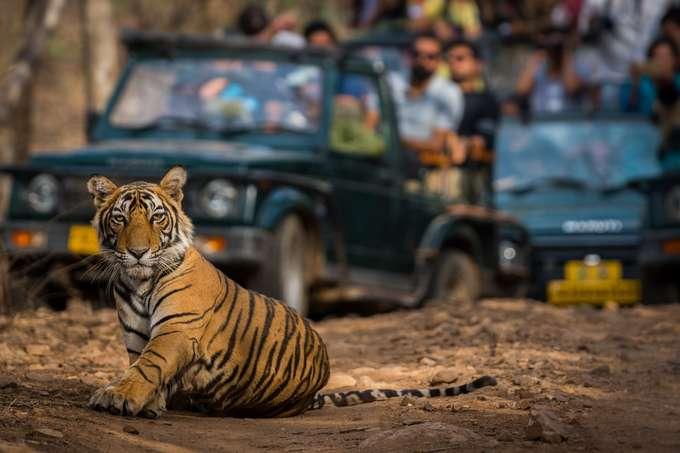
Unlike a zoo, animals are free to move around in the forest. This means wildlife sightings are never guaranteed, but that is also what makes the experience exciting. Every safari is unique and offers a chance to explore nature closely.
Things to Know Before Your First Safari
Before booking your safari, it is important to understand a few basics.
First, wildlife sightings depend on luck, weather, and animal movement. Even if you do not see a tiger, you may enjoy many other animals and beautiful forest landscapes.
Second, always book your safari in advance, especially during peak tourist seasons. Popular national parks often have limited safari permits.
Third, follow all instructions given by guides and forest officials. They know the park well and help ensure both visitor and wildlife safety.
Planning your safari through Jungle Safari Bharat can help make the booking process easier and more organized.
Essential Items to Carry on Safari
Packing smartly can improve your safari experience.
Some important items include:
- Valid ID proof
- Water bottle
- Sunglasses
- Hat or cap
- Sunscreen
- Binoculars
- Camera with extra battery
- Light jacket for morning safaris
- Personal medicines
- Small backpack
Avoid carrying unnecessary luggage because safari vehicles have limited space.
It is also a good idea to keep a hand sanitizer and tissues with you during the trip.
Safari Rules and Etiquette
Following safari rules is very important. These rules protect wildlife and ensure everyone has a pleasant experience.
Some basic safari etiquette includes:
- Stay seated inside the vehicle.
- Do not feed animals.
- Avoid loud talking and shouting.
- Do not play music.
- Do not throw garbage in the forest.
- Follow guide instructions carefully.
- Respect wildlife and their space.
Remember that national parks are homes for animals. Visitors should behave responsibly and avoid disturbing the natural environment.
Choosing the Right National Park
India is home to many famous national parks. Choosing the right destination depends on your interests.
Popular options include:
Ranthambore National Park
Known for tiger sightings and historic fort views.
Jim Corbett National Park
India’s oldest national park and famous for rich biodiversity.
Kanha National Park
Beautiful forests and excellent wildlife viewing opportunities.
Bandhavgarh National Park
One of the best places in India to spot tigers.
Kaziranga National Park
Famous for the one-horned rhinoceros.
Research different parks before booking. Consider travel distance, safari availability, and the type of wildlife you wish to see.
Jungle Safari Bharat offers booking support for many leading national parks across India.
Understanding Safari Timings
Most national parks conduct safaris twice a day.
Morning Safari
Usually starts shortly after sunrise. This is often considered the best time because animals are more active during cooler temperatures.
Evening Safari
Conducted during the late afternoon until sunset. Wildlife sightings can also be excellent during this period.
Safari timings may change depending on the season and park regulations. Always check the latest schedule before your visit.
Arriving early is important because entry procedures and permit verification may take some time.
What Wildlife Can You Expect to See?
India's national parks are home to a wide variety of wildlife.
Depending on the location, you may see:
- Bengal Tigers
- Leopards
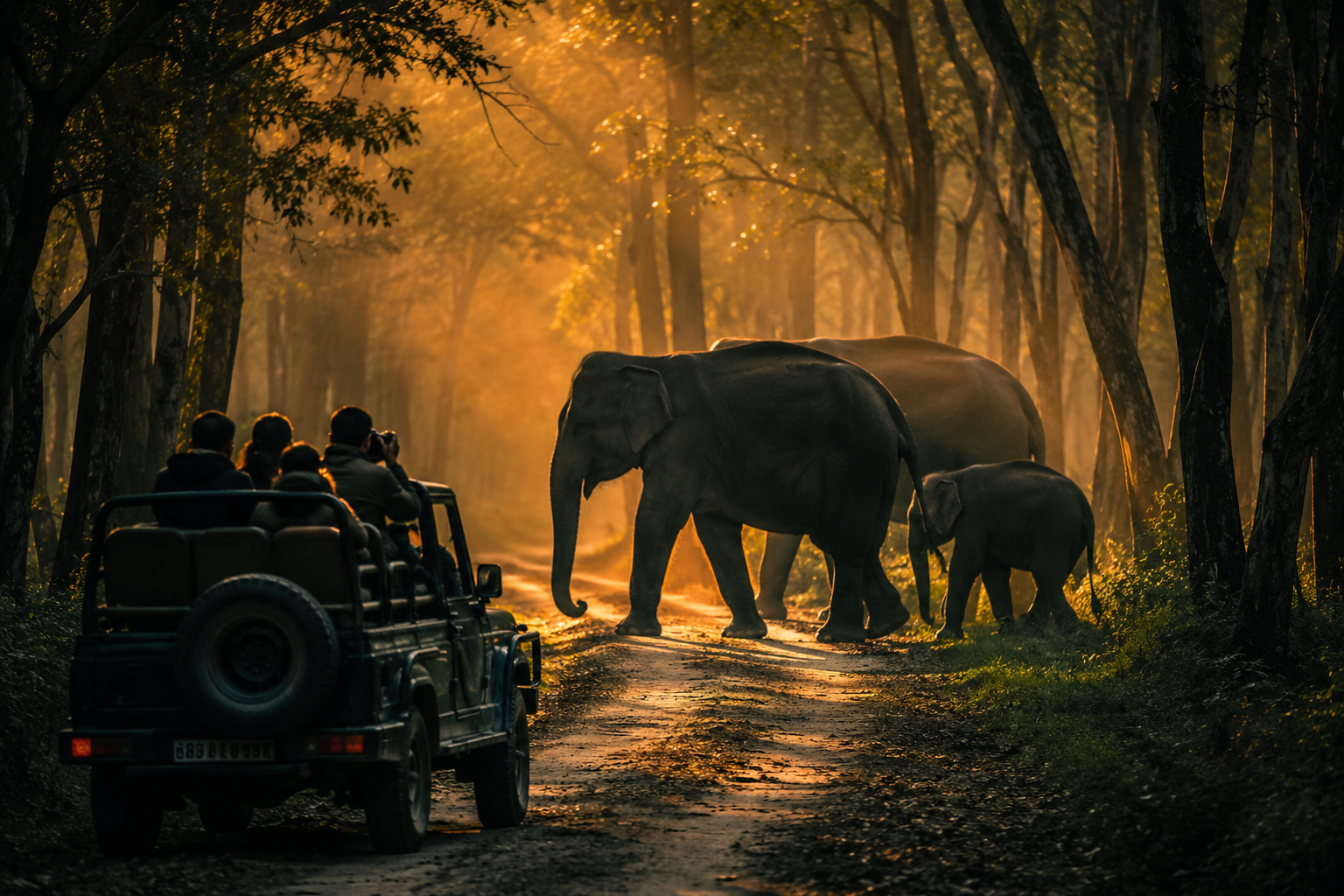
- Elephants
- Sloth Bears
- Deer
- Wild Boars
- Bison
- Crocodiles
- Langurs
- Monkeys
- Peacocks
- Various bird species
While tigers are often the main attraction, every animal contributes to the beauty of the forest ecosystem.
Many visitors discover that observing birds, deer, and other wildlife can be just as enjoyable as spotting a tiger.
Photography Tips for Beginners
A jungle safari offers excellent photography opportunities.
Here are some useful tips:
Keep Your Camera Ready
Wildlife sightings can happen suddenly. Keep your camera easily accessible.
Use Natural Light
Morning and evening light often produces better photographs.
Avoid Flash
Flash can disturb animals and is generally not recommended.
Focus on the Eyes
If possible, focus on the animal's eyes to create more engaging photos.
Be Patient
Wildlife photography requires patience. Wait quietly and observe animal behavior.
Even if you only have a smartphone, you can still capture beautiful forest landscapes and memorable moments.
Safety Tips During a Safari
Safety should always be your priority.
Important safety tips include:
- Stay inside the safari vehicle.
- Never attempt to approach animals.
- Follow guide instructions.
- Keep your hands inside the vehicle.
- Avoid sudden movements.
- Do not carry food openly.
- Stay calm if an animal comes near.
Forest guides are trained professionals who understand wildlife behavior. Listening to them can help ensure a safe experience.
Common Mistakes First-Time Safari Visitors Make
Many beginners make avoidable mistakes during their first safari.
Some common examples include:
Expecting Guaranteed Tiger Sightings
Wild animals move freely. Sightings can never be guaranteed.
Wearing Bright Colors
Bright clothing may attract attention and disturb wildlife.
Talking Loudly
Noise can scare animals away.
Arriving Late
Late arrivals may miss safari entry.
Ignoring Guide Instructions
Guides provide valuable information and ensure safety.
Carrying Too Much Luggage
Extra bags can make the safari uncomfortable.
Avoiding these mistakes can significantly improve your overall experience.
Conclusion
Your first jungle safari can be an unforgettable adventure if you prepare properly. Understanding safari rules, carrying the right essentials, choosing a suitable national park, and respecting wildlife will help you enjoy the experience to the fullest. Remember that a safari is not only about spotting a tiger but also about appreciating nature, forests, birds, and the entire wildlife ecosystem.
Whether you are planning a visit to Ranthambore, Jim Corbett, Bandhavgarh, Kanha, or Kaziranga, proper planning makes a big difference. Jungle Safari Bharat helps travelers book safaris, explore top wildlife destinations, and enjoy hassle-free jungle experiences across India.
READ MORE: Safari Booking Mistakes to Avoid in 2026: Expert Tips for First-Time Travelers
Recent Posts
Book Your Wildlife Safari
Experience the thrill of the jungle. Book your customized Safari packages and hotels with us.
Enquire Now