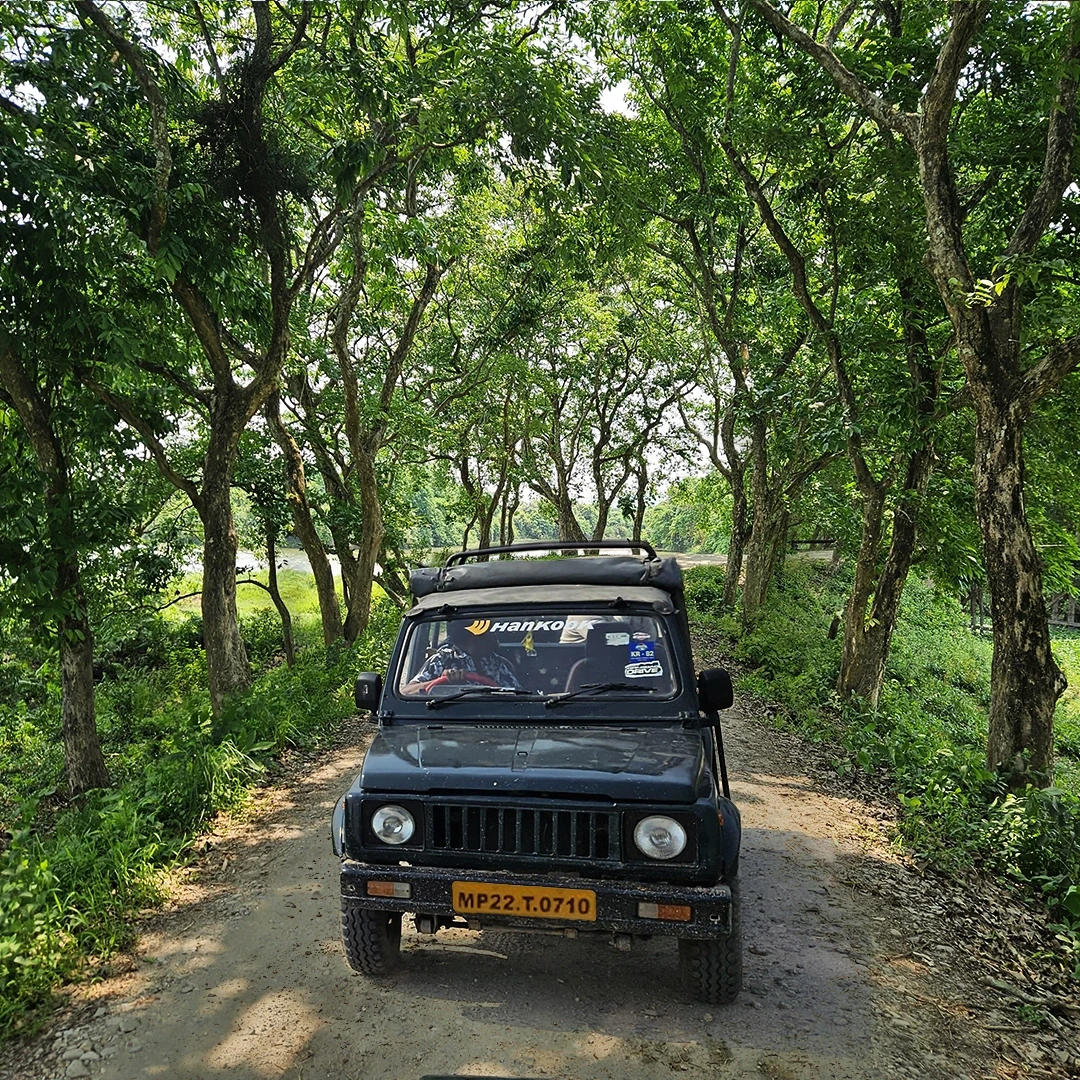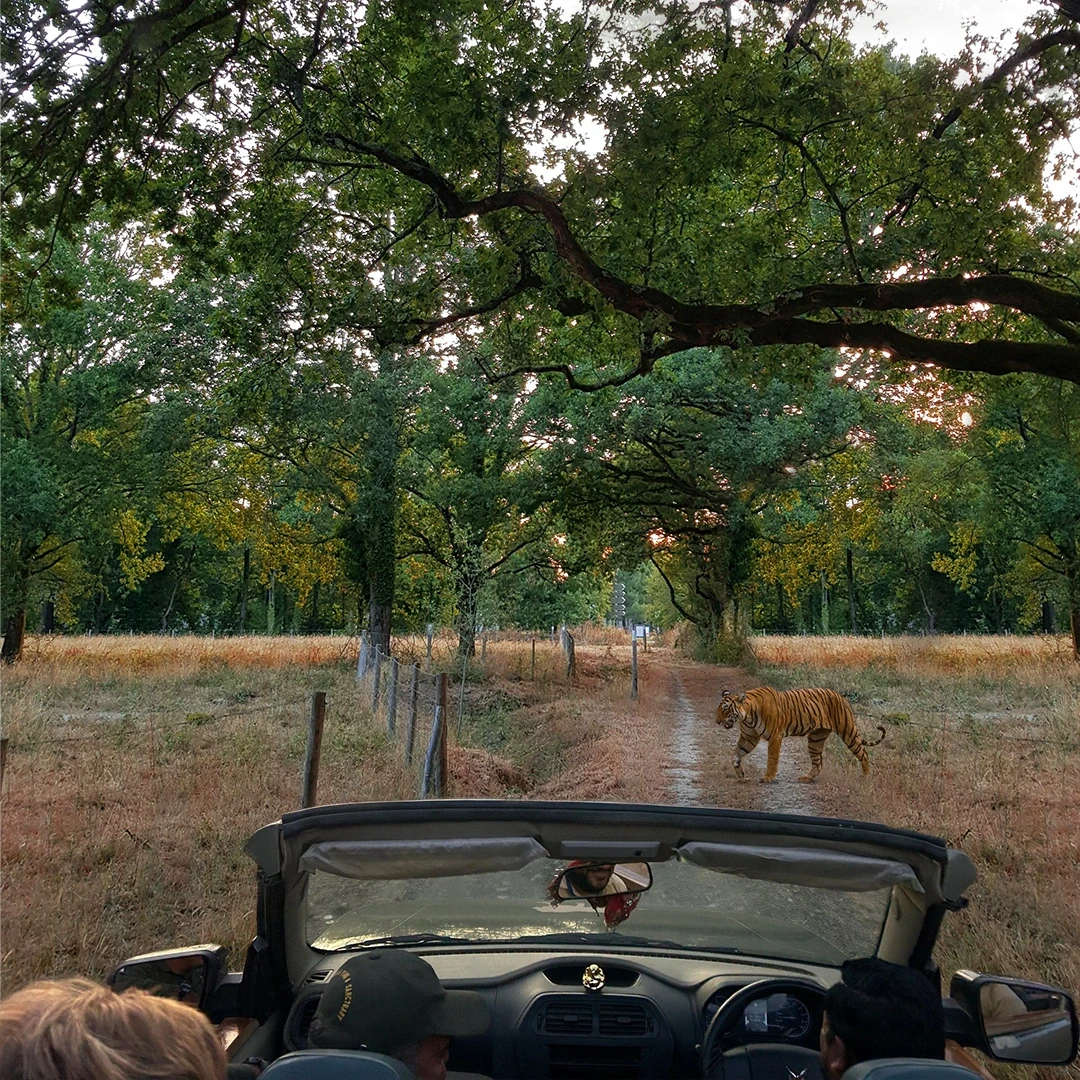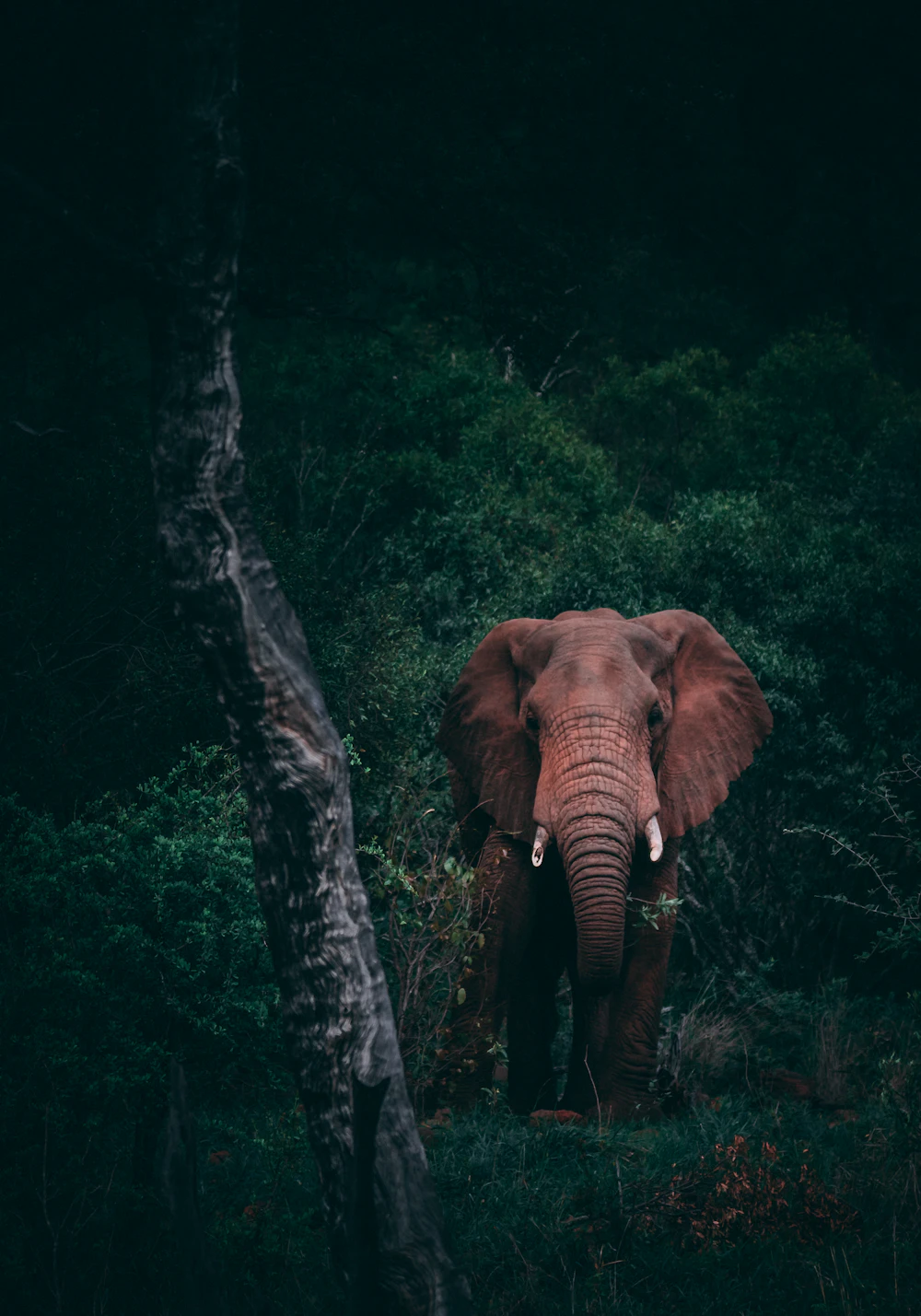
Pench National Park's history dates back to 1965 when this park was a sanctuary with an area of 757.85 sq. km. Later in 1983, it was declared a national park.
The Government of India declared the whole area a Tiger Reserve in 1992 to protect the remaining population of tigers. Globally, "The Jungle Book" written by Rudyard Kipling was inspired by the one and only Pench National Park.
Pench National Park is named after the Pench River, which flows from north to south, dividing the park into eastern and western halves. An additional area of 257 sq. km lies in Maharashtra but is accessible from Madhya Pradesh.
The park is segregated into two divisions: Priyadarshini National Park and Mowgli Pench Sanctuary (299 sq. km) and the buffer area (464 sq. km).
Key statistics and geographical details of the reserve.
Buffer: 465.00 sq. km.
Core: 292.85 sq. km.
Total: 757.85 sq. km.
Altitude: 580-675 meters Above MSL
Summer: March - June (Max 45°C)
Monsoon: Mid June - September
Winter: November - February (Min 12°C)
Rainfall: Approx 1397 mm
Pench is home to flora like Mahua, White Kulu, Salai, and Teak. Wildlife includes Bengal Tigers, Chital, Jungle Cat, Wolf, Leopard, Gaur, and Sloth Bear. Bird watchers can spot Peafowl, Pintail, Indian Roller, and Crimson-Breasted Barbet.
Home to tigers, leopards, hyenas, wolves, jungle cats, wild boars, bison, nilgai, porcupine, sambar, and barking deer.
Over 300 bird species including Waterfowl, Pintail, Peafowl, Indian Roller, Munia, and the Crimson-Breasted Barbet.
Mesmerizing climbers, shrubs, and shady trees like Amaltas, Palash, Teak, Bija, and Mahua, plus medicinal herbs.
Please follow these guidelines to ensure a safe safari.