Table of Contents
- Overview of Tiger Safari in India
- What is a Tiger Safari Experience?
- Why India is Famous for Tiger Sightings
- Tiger Safari Updates 2026
- New Rules for Core & Buffer Zones
- Wildlife Protection Guidelines for Tourists
- Safari Experience Process (Step-by-Step)
- Entry, Guide & Vehicle Allocation
- Rules During the Safari Ride
- Core Zones vs Buffer Zones
- Best Areas for Tiger Sightings
- Safari Timing & Seasonal Updates
- Best Season for Tiger Safari
- Ideal Time of Day for Sightings
- Common Safari Challenges
- Reasons for No Sightings
- How to Improve Your Safari Experience
- Conclusion
India is one of the best destinations in the world for wildlife lovers, especially for those who want to see tigers in their natural habitat. A tiger safari offers an exciting opportunity to explore dense forests, observe wildlife behavior, and experience nature closely. In 2026, several updates have been introduced to improve the safari experience, ensure better wildlife protection, and manage tourism effectively.
Understanding these new rules, zones, and safari guidelines can help you plan a better and more enjoyable trip. Whether you are visiting for the first time or are an experienced traveler, this guide will help you know everything about tiger safari in India.
Overview of Tiger Safari in India
What is a Tiger Safari Experience?
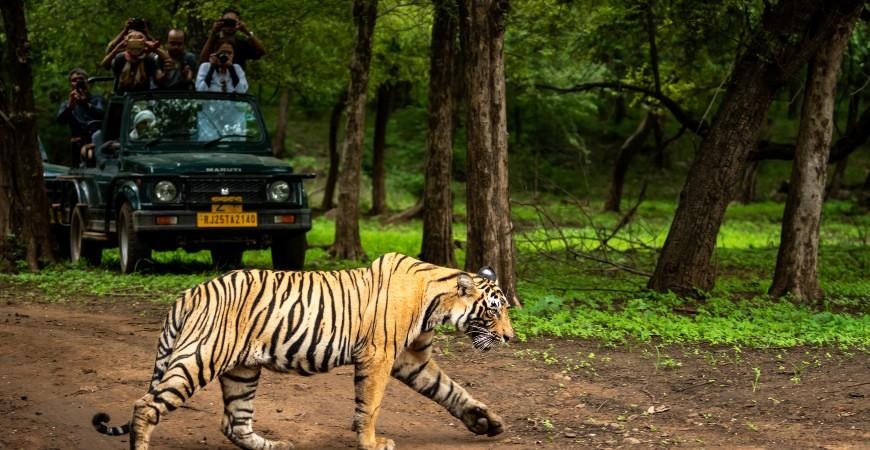
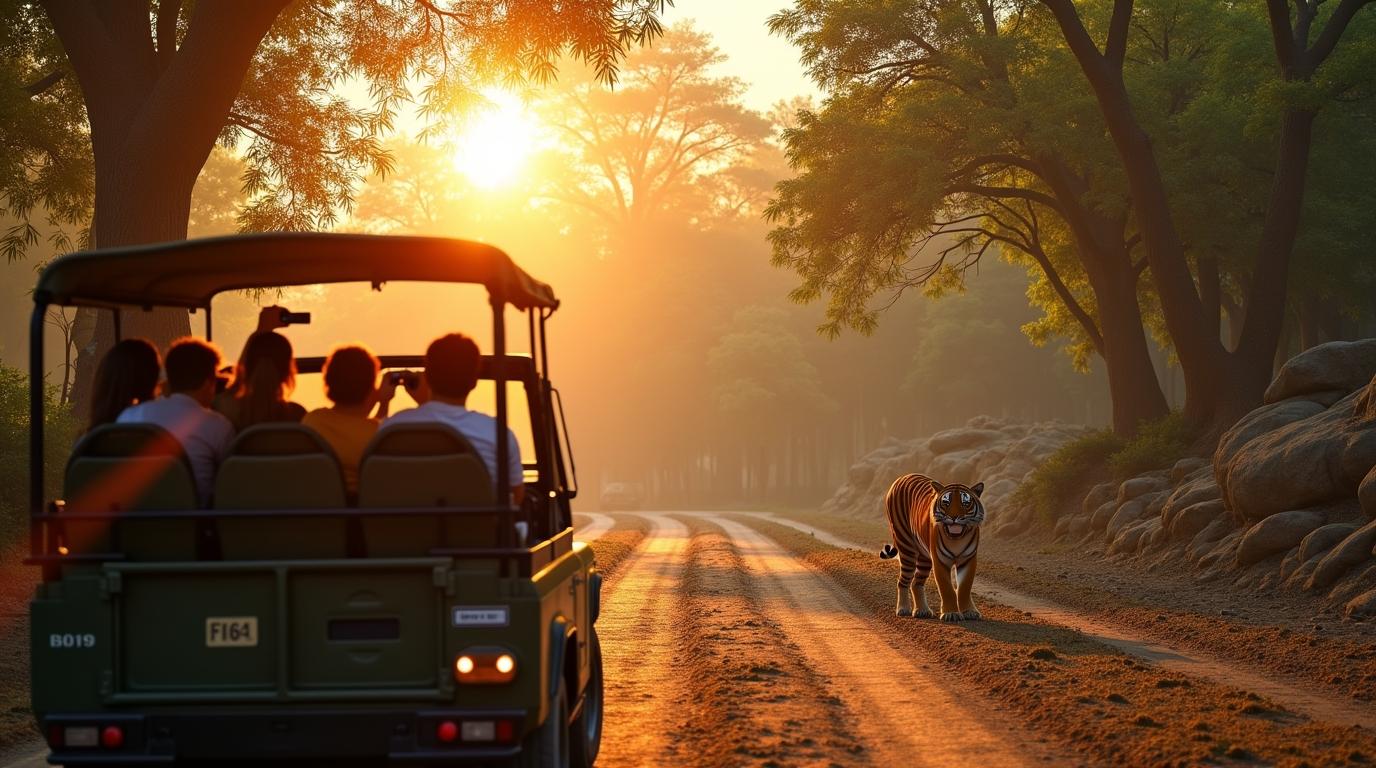
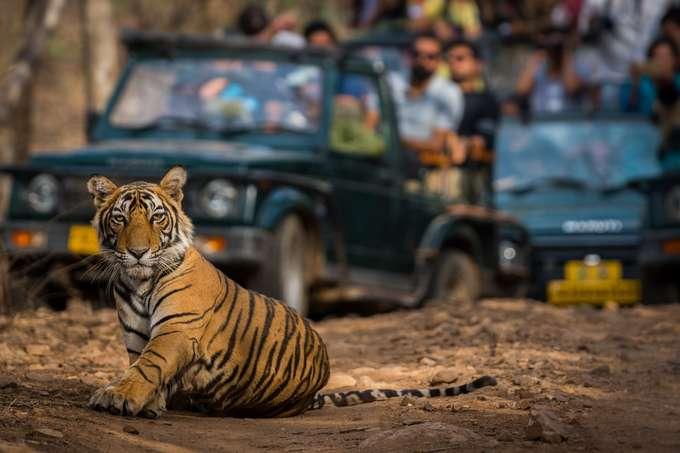
A tiger safari is a guided wildlife tour conducted inside national parks and tiger reserves. Tourists travel in specially designated vehicles with trained guides and drivers to explore forest areas and spot animals.
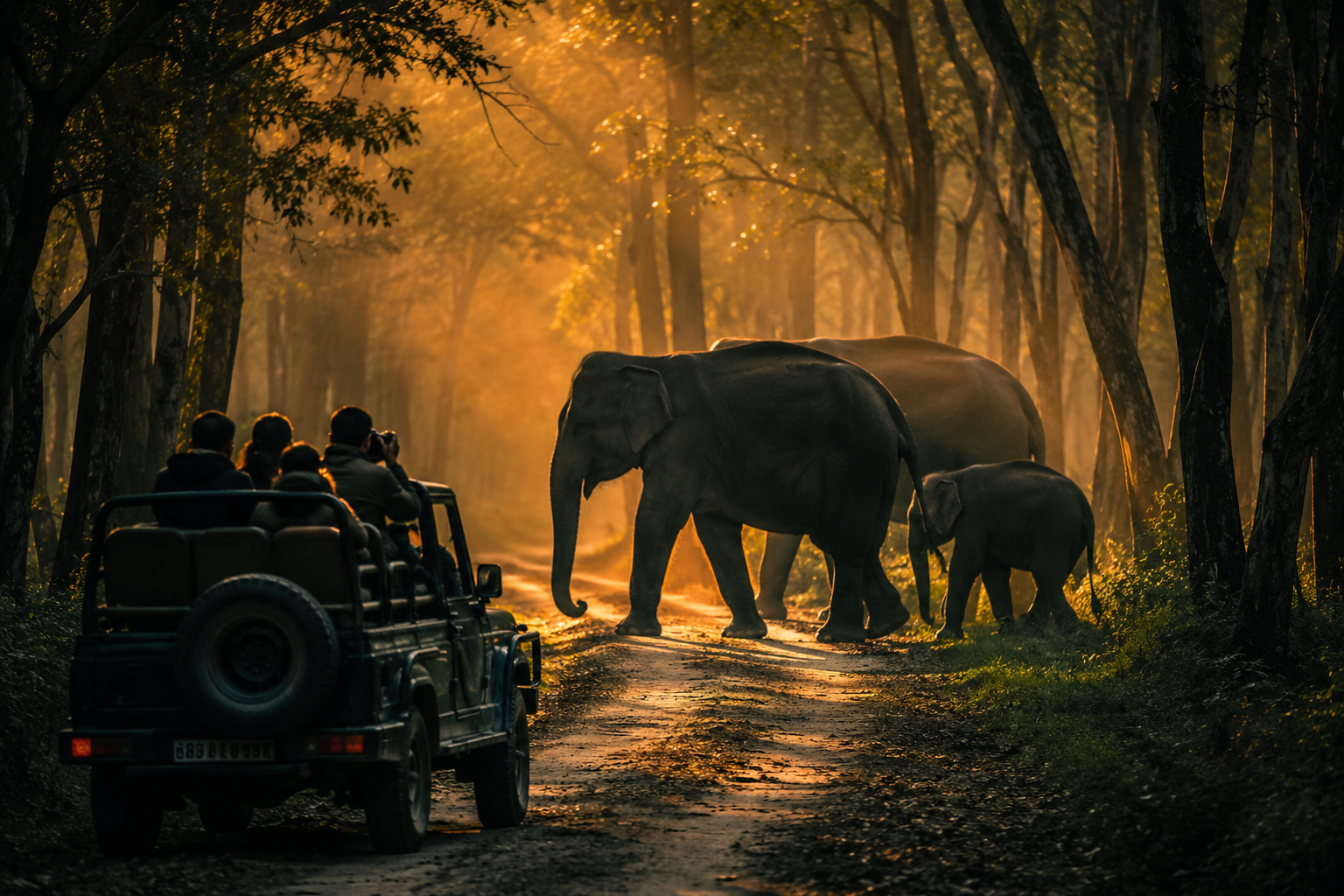
The main goal of a tiger safari is to observe wildlife in its natural environment without disturbing it. Apart from tigers, visitors can also see deer, leopards, birds, and other forest animals.
Key features of a tiger safari:
-
Guided tour inside protected forest areas
-
Fixed routes and designated zones
-
Limited vehicles allowed per safari
-
Focus on wildlife conservation and safety
Why India is Famous for Tiger Sightings
India is home to the largest population of tigers in the world. The country has many well-managed national parks and reserves that provide a safe environment for these animals.
Reasons why India is popular for tiger safari:
-
High number of tiger reserves
-
Diverse forest ecosystems
-
Strong wildlife protection laws
-
Increasing awareness about conservation
Because of these factors, tourists from around the world visit India for tiger sightings.
Tiger Safari Updates 2026
New Rules for Core & Buffer Zones
In 2026, the government has introduced updated rules for managing safari zones more effectively.
-
Core zones have stricter entry limits to protect wildlife
-
Buffer zones are now more open for tourism
-
Number of vehicles per zone is fixed
-
Advance booking is mandatory for most parks
These changes help maintain a balance between tourism and wildlife conservation.
Wildlife Protection Guidelines for Tourists
To ensure safety and protect animals, tourists must follow certain guidelines:
-
Maintain silence during the safari
-
Do not feed or disturb animals
-
Avoid throwing garbage inside the forest
-
Follow instructions given by guides
-
Stay inside the vehicle at all times
These rules are strictly enforced in 2026 to improve the overall safari experience.
Safari Experience Process (Step-by-Step)
Entry, Guide & Vehicle Allocation
The safari process begins at the entry gate of the national park.
Steps involved:
-
Verification of booking and ID proof
-
Entry through designated gate
-
Allocation of vehicle (jeep or canter)
-
Assignment of trained guide and driver
The guide plays an important role in explaining animal behavior and helping spot wildlife.
Rules During the Safari Ride
During the safari, visitors must follow specific rules for safety and discipline:
-
No loud talking or music
-
No getting down from the vehicle
-
No feeding or calling animals
-
Follow the fixed route assigned
Following these rules ensures a safe and enjoyable safari for everyone.
Zones & Wildlife Spotting Guide
Core Zones vs Buffer Zones
Understanding safari zones is important for better planning.
-
Core Zones:
-
High chances of tiger sightings
-
Limited vehicle entry
-
Strict regulations
-
Buffer Zones:
-
More relaxed rules
-
Less crowded
-
Good for overall wildlife experience
Both zones offer unique experiences, and choosing the right one depends on your preference.
Best Areas for Tiger Sightings
While tiger sightings are never guaranteed, certain areas increase your chances:
-
Near water sources
-
Dense forest regions
-
Areas with recent animal movement
-
Early morning safari routes
Experienced guides often track animal movement to improve sighting chances.
Safari Timing & Seasonal Updates
Best Season for Tiger Safari
Different seasons offer different experiences:
-
Summer (March to June):
-
Best time for tiger sightings
-
Animals come near water sources
-
Winter (October to February):
-
Comfortable weather
-
Good for family trips
-
Monsoon:
-
Many parks remain closed
Ideal Time of Day for Sightings
Timing plays a key role in wildlife spotting:
-
Early morning safaris have higher chances
-
Evening safaris offer scenic beauty
-
Animal activity is higher during cooler hours
Planning your safari at the right time increases your chances of success.
Common Safari Challenges
Reasons for No Sightings
Many tourists feel disappointed when they do not see a tiger. However, this is a natural part of wildlife tourism.
Common reasons include:
-
Animals moving to different areas
-
Weather conditions
-
Limited safari duration
-
Dense forest making visibility difficult
Tiger sightings depend on luck and timing.
How to Improve Your Safari Experience
Even if you do not see a tiger, you can still enjoy the safari by following these tips:
-
Take multiple safari rides
-
Choose experienced guides
-
Visit during peak seasons
-
Stay patient and observant
-
Focus on overall wildlife, not just tigers
A positive approach makes the experience more enjoyable.
Conclusion
Tiger safari in India in 2026 offers a well-organized and exciting wildlife experience. With updated rules, better zone management, and improved safety guidelines, tourists can now enjoy safaris more comfortably while supporting wildlife conservation.
By understanding the safari process, choosing the right time and zone, and following all guidelines, you can make your jungle adventure truly memorable. Even if you do not spot a tiger, the experience of being close to nature is something you will never forget to Jungle Safari Bharat
Recent Posts
Book Your Wildlife Safari
Experience the thrill of the jungle. Book your customized Safari packages and hotels with us.
Enquire Now