Table of Contents
- Understanding Safari Zones
- What are Core Zones?
- What are Buffer Zones?
- Latest Zone Rules 2026
- Entry Restrictions & Guidelines
- Zone Rotation System
- Core vs Buffer Comparison
- Wildlife Sightings Probability
- Crowd & Accessibility Differences
- Popular Parks Zone Breakdown
- Zone System in Jim Corbett National Park
- Zone System in Ranthambore National Park
- How Zone Allocation Works
- Random Allocation Process
- Can You Select a Zone?
- Tips to Choose the Right Zone
- Best Zones for Tiger Sightings
- Best Zones for First-Time Visitors
Wildlife safaris in India are becoming more organized and eco-friendly every year. In 2026, many national parks have updated their safari zone systems to protect wildlife while giving visitors a better safari experience. If you are planning a jungle safari in famous parks like Jim Corbett National Park or Ranthambore National Park, understanding the difference between core and buffer zones is very important.
This guide explains safari zones, the latest rules, zone allocation systems, and tips to help you choose the right safari experience.
Understanding Safari Zones
National parks are divided into different safari areas to balance tourism and wildlife conservation. The two main types are Core Zones and Buffer Zones.
What are Core Zones?
Core zones are the main protected areas of a national park. These regions usually have dense forests, water sources, and high wildlife activity. Human activities are highly restricted in these zones to protect animals and their natural habitat.
Core zones are known for:
- Higher chances of tiger sightings
- Dense wildlife population
- Strict entry rules
- Limited safari vehicles
- More natural forest experience
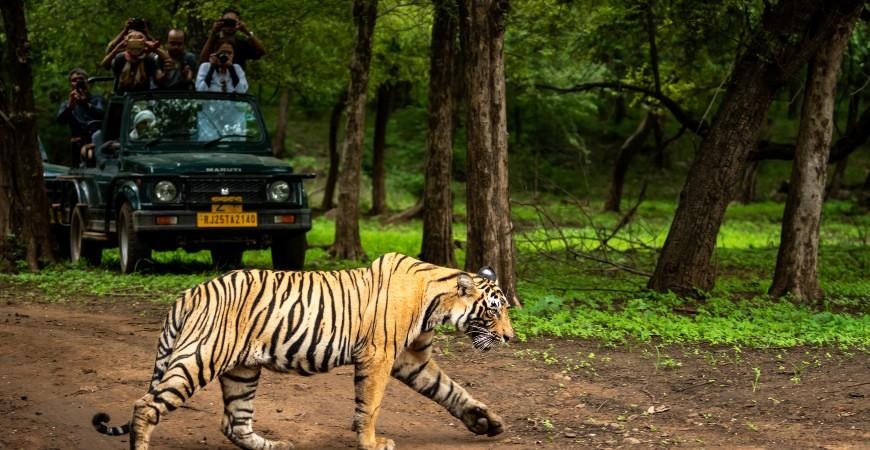
Most famous tiger sightings happen inside core zones because wildlife movement is very active there.
What are Buffer Zones?
Buffer zones are areas surrounding the core forest region. These zones act as a protective layer between wildlife habitats and nearby villages or human settlements.
Buffer zones generally offer:
- Easier safari availability
- Lower crowd levels
- Budget-friendly safari options
- Good birdwatching opportunities
- Beautiful landscapes and forest drives
In recent years, many buffer zones have also become excellent places for tiger sightings because animals move freely between both regions.
Latest Zone Rules 2026
Safari rules in 2026 are more focused on wildlife safety, tourist management, and eco-tourism practices.
Entry Restrictions & Guidelines
Most national parks now follow strict entry regulations such as:
- Limited vehicle permits per safari
- Mandatory ID proof during booking
- Fixed safari timings
- Online advance booking systems
- No loud music or plastic inside parks
- Professional guides required in most zones
Some parks may temporarily close zones during heavy rain or wildlife breeding seasons.
Zone Rotation System
Many parks now use a zone rotation system. This means safari vehicles are rotated among available zones to reduce crowd pressure on one area.
The rotation system helps:
- Protect wildlife habitats
- Reduce traffic inside forests
- Improve visitor experience
- Balance tourism across zones
Because of this system, visitors may not always get their preferred safari zone.
Core vs Buffer Comparison
Both safari zones offer unique experiences. Choosing the right one depends on your expectations, budget, and travel style.
Wildlife Sightings Probability
Core zones usually have better chances of spotting:
- Tigers
- Leopards
- Wild elephants
- Sloth bears
However, buffer zones are also becoming popular for sightings due to increasing wildlife movement.
Tiger sightings are never guaranteed in any zone because safaris depend on animal movement and natural conditions.
Crowd & Accessibility Differences
Core zones:
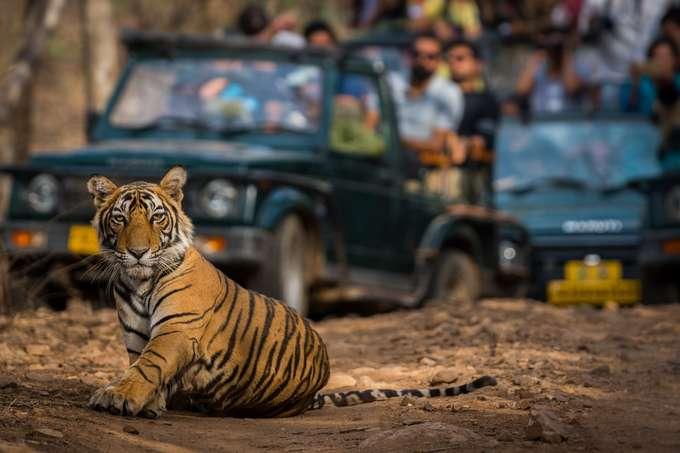
- More crowded during peak season
- Limited permits
- Higher demand
- Often require early booking
Buffer zones:
- Less crowded
- Easier last-minute booking
- Better road accessibility in some parks
- Relaxed safari atmosphere
Families and beginners often enjoy buffer zones because they provide a comfortable safari experience with fewer vehicle crowds.
Popular Parks Zone Breakdown
Different national parks in India follow different safari zone systems.
Zone System in Jim Corbett National Park
Jim Corbett has several popular tourism zones including:
- Dhikala Zone
- Bijrani Zone
- Jhirna Zone
- Dhela Zone
- Durga Devi Zone
Dhikala is considered one of the most famous core safari areas for wildlife sightings. Jhirna and Dhela are popular buffer-style tourism zones with year-round safari access.
Zone System in Ranthambore National Park
Ranthambore is divided into multiple safari zones, including Zones 1 to 10.
- Zones 1–5 are mostly core areas
- Zones 6–10 are considered buffer or mixed regions
Core zones are famous for tiger sightings, while buffer zones often provide quieter safari experiences and beautiful landscapes.
How Zone Allocation Works
Many visitors are confused about how safari zones are assigned during booking.
Random Allocation Process
In several parks, safari zones are allocated randomly by the forest department system. This process is used to maintain fairness and reduce over-tourism in famous zones.
Factors affecting allocation may include:
- Permit availability
- Vehicle capacity
- Seasonal closures
- Wildlife management policies
Random allocation also helps distribute tourists evenly across all safari areas.
Can You Select a Zone?
In some parks, yes. In others, no.
A few parks allow visitors to select preferred zones during online booking if permits are available. However, premium zones often get booked very quickly.
Tatkal or last-minute safari bookings usually come with random zone allocation.
Tips to Choose the Right Zone
Choosing the right safari zone can improve your wildlife experience.
Best Zones for Tiger Sightings
If your main goal is tiger spotting:
- Choose famous core zones
- Book early during peak season
- Prefer morning safaris
- Visit during summer months when animals gather near water sources
Experienced safari guides can also help increase your chances of sightings.
Best Zones for First-Time Visitors
For beginners and family travelers:
- Buffer zones are often more relaxed
- Less vehicle traffic
- Better photography opportunities
- Easier bookings
- Comfortable safari routes
First-time visitors usually enjoy the peaceful forest experience without the pressure of chasing tiger sightings with Jungle Safari Bharat.
Recent Posts
Book Your Wildlife Safari
Experience the thrill of the jungle. Book your customized Safari packages and hotels with us.
Enquire Now